If you’ve ever struggled to open or close a door during winter, you’re not imagining things. Doors that worked perfectly fine in warmer months often start sticking, scraping, or refusing to latch once temperatures drop. This is one of the most common winter home frustrations—and it’s directly tied to how wood, moisture, and temperature changes affect your home’s structure. Understanding why this happens can help you avoid damage and know when it’s time to call a professional carpenter in New Orleans to fix the issue properly before it gets worse.
How Cold Weather Affects Wood Doors
Wood is a natural material that reacts constantly to its environment. During winter, indoor heating systems dry out the air while outdoor humidity and temperature fluctuate. These changes cause wood doors, frames, and surrounding carpentry structures to expand and contract unevenly. When moisture levels rise, wood absorbs it and swells. When the air becomes dry, wood shrinks. This constant movement can throw doors out of alignment, making them rub against frames or floors.
In older homes especially, seasonal wood movement is more noticeable because framing and joints have already shifted over time. Even newer homes aren’t immune—poor ventilation or uneven humidity can quickly affect wooden doors and trim during colder months.
The Role of Humidity and Moisture
Winter doesn’t always mean dry conditions, especially in regions with fluctuating weather. Rain, condensation, and moisture buildup can seep into wood frames and door edges. When this moisture gets trapped, it causes swelling that leads to tight fits and sticking doors. Exterior doors are particularly vulnerable because they’re exposed to temperature differences between indoors and outdoors.
Moisture-related swelling can also affect door jambs, hinges, and surrounding wood trim, making the problem feel worse than it actually is. Without proper repairs, this stress on the wood can eventually lead to cracks, warping, or permanent damage.
Why DIY Fixes Often Make Things Worse
Many homeowners try quick fixes like sanding the door edge, forcing it closed, or tightening random screws. While these might offer temporary relief, they often create bigger issues later. Sanding without addressing the root cause can expose raw wood, allowing it to absorb even more moisture. Forcing a door can damage hinges, loosen fasteners, or crack surrounding woodwork.
A skilled carpenter looks beyond the surface problem. Instead of just trimming the door, they evaluate the entire structure—frames, hinges, floors, and humidity levels—to ensure the fix lasts beyond one season.
Structural Shifts in Winter
Winter can also cause subtle shifts in your home’s structure. As temperatures drop, materials contract at different rates. This can slightly alter the alignment of walls, floors, and door openings. Even a small shift can throw a door out of square, causing it to stick at the top, bottom, or latch side.
These structural changes are especially common in homes with wood framing, where seasonal movement is part of the material’s natural behavior. Proper carpentry adjustments can realign doors without compromising the integrity of the surrounding structure.
How a Carpenter Fixes Sticking Doors the Right Way
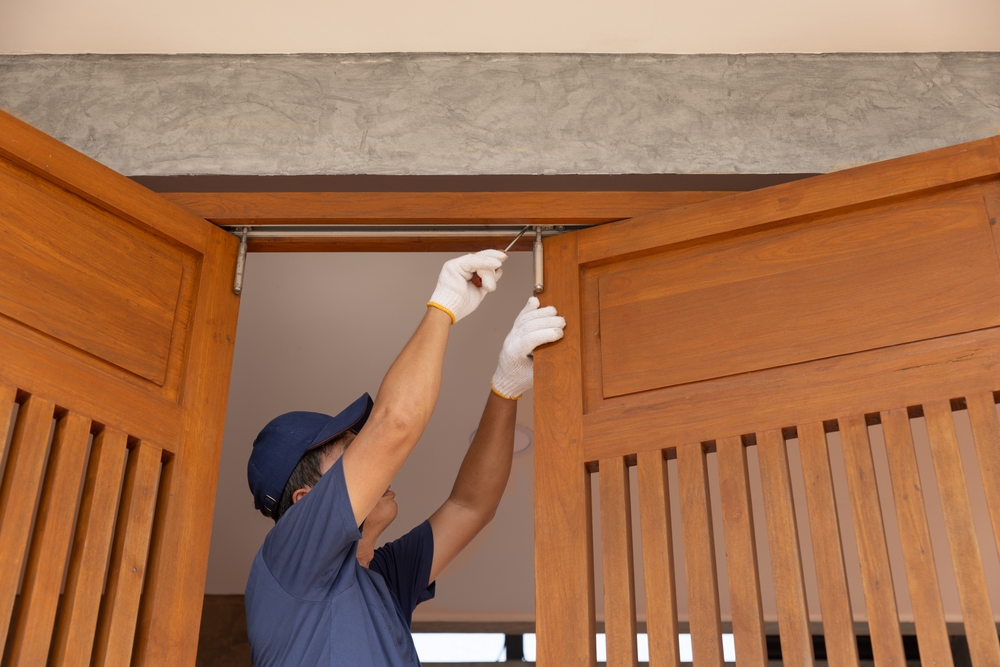
A professional carpenter in New Orleans approaches sticking doors with precision and experience. The process typically starts with identifying where and why the door is sticking. This may involve checking moisture levels, inspecting hinges, examining the frame, and assessing whether the door or opening has warped.
Instead of aggressive sanding, a carpenter may plane specific areas, adjust hinges, realign the frame, or reinforce weakened wood components. In some cases, improving ventilation or sealing exposed wood surfaces prevents future swelling. The goal isn’t just to make the door open smoothly today, but to ensure it continues working through future seasonal changes.
When Sticking Doors Signal Bigger Problems
Sometimes, a sticking door is a warning sign of deeper issues. Persistent problems may indicate wood rot, moisture intrusion, foundation movement, or deteriorating framing. Ignoring these signs can lead to costly repairs later on, especially if moisture damage spreads to surrounding carpentry structures.
Having a professional inspect and repair the issue early helps protect your home’s value and prevents minor inconveniences from turning into structural concerns.
Don’t Ignore Winter Door Problems
Sticking doors may seem like a small annoyance, but they’re often the result of seasonal wood movement, moisture, and structural shifts that shouldn’t be ignored. Addressing the issue properly helps preserve your wood doors, improve daily comfort, and prevent long-term damage. If your doors are giving you trouble this winter, trust an experienced carpenter in New Orleans to provide a lasting solution. Contact One Man & A Toolbox today to schedule a professional inspection and restore smooth, stress-free door operation throughout the season.