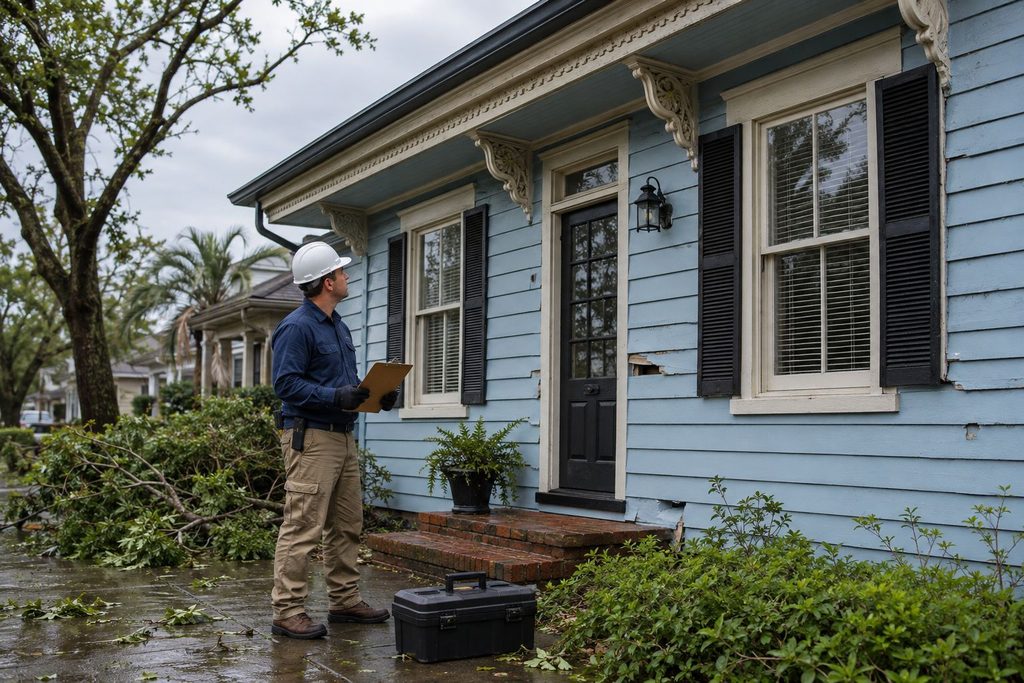
After a strong storm, you may want to start fixing your home right away. Acting too soon, though, can place you near floodwater, weak walls, gas leaks, or live wires. Before starting home repairs after a storm, you need to know that the property is safe to enter. A skilled carpenter in New Orleans can then help repair damaged doors, trim, siding, fences, and other wood parts.
Wait Until Officials Say It Is Safe to Return
Do not return home while your area is still under an evacuation order. Roads may be flooded, trees may be unstable, and power lines may be down. Listen to local officials and wait for the local safety notice that allows residents to return. Even after the notice is given, approach your home with care. Look at the building from outside before going in. If you see a fallen tree, broken utility line, leaning wall, or damaged roof, stay away from the storm-damaged home until a trained professional checks it.
Check for Electrical, Gas, and Structural Dangers
Walk around the property and look for hazards before starting any work. Stay away from fallen wires, standing water near outlets, and wet electrical equipment. If you smell gas or hear a hissing sound, leave the area and call the utility company. Do not use electrical tools in wet areas or while standing in water. You should also watch for cracked walls, uneven floors, sagging ceilings, or doors that suddenly will not close. These may point to electrical hazards or hidden structural damage that must be checked before repairs begin.
Take Photos Before Changing Anything
Once you can enter safely, take photos and videos of each damaged area. Record broken doors, wet walls, cracked trim, damaged siding, fallen fence panels, and ruined items. Wide photos show the full room, while close photos show the details. This record can help explain the storm damage to your insurance company. Contact your insurer before removing large sections of damaged material or starting permanent work. Keep copies of estimates, invoices, and receipts that may be needed for your insurance claim.
Stop Water From Causing More Damage
You may be able to take small steps to keep the damage from getting worse while waiting for full repairs. Move dry items away from wet areas and place containers under small leaks when it is safe to do so. Open doors and windows if the weather is clear and there is no safety risk. Fans and dehumidifiers can help dry the home only when the electrical system is safe to use. These temporary repairs can limit further water damage, but they should not place you on an unstable roof or near wet wiring.
Have the Home Checked Before Major Work Begins
Some storm damage is easy to see, but other problems may be hidden behind walls, under floors, or inside the roof. A building inspector or trained contractor can check whether the home is stable enough for repairs. An electrician should inspect wet wiring and electrical panels before the power is used again. This home inspection helps show which areas need quick attention and which work can wait. It also helps create a clear repair plan based on safety, cost, and the level of damage.
Know Which Repairs Can Start First
Small repairs can often begin after the property is dry, the utilities are safe, and the building has been cleared for work. These jobs may include replacing broken trim, fixing door frames, repairing fence boards, securing shutters, or replacing small areas of rotten wood. Larger work involving the roof, foundation, wiring, or major framing may need special approval and trained crews. Begin with minor storm repairs that help protect the home, but leave dangerous or complex work to a professional repair team.
Choose a Contractor With the Right Skills
Storms often bring people who offer fast work but have little experience. Ask for a written estimate that explains the work, materials, price, and expected schedule. Avoid paying the full amount before the job begins. A dependable storm repair contractor should inspect the damage, explain what can be repaired, and tell you when replacement is the safer choice. When wood doors, trim, fencing, steps, siding, or other features are damaged, a carpenter in New Orleans can complete the work with materials suited to Louisiana weather.
Start Your Storm Repairs Safely
Home repairs can begin when local officials allow you to return, the property has been checked for major hazards, and any insurance damage has been recorded. One Man & a Tool Box can help with doors, windows, trim, siding, fences, drywall, painting, and other storm damage repairs across the Greater New Orleans area. If your home needs attention after heavy rain or strong wind, contact One Man & a Tool Box today to request a quote from a trusted carpenter in New Orleans.