Hurricane rain does not need a large opening to enter your home. Water can move through a small crack near a window, a worn door seal, or a gap around an exterior pipe. Once inside, it can damage drywall, floors, insulation, and wood. Finding and sealing these water entry points before a storm can help protect your home from costly repairs.
Look for Water Stains Inside Your Home
Begin by checking your ceilings and walls for water stains, peeling paint, or soft areas. Pay close attention to the rooms below the roof, as well as the walls around windows and exterior doors. A yellow or brown mark may be left behind by an active or past leak. Musty smells and damp baseboards can also point to hidden moisture. The stain may not be directly under the opening because water can travel along wood and pipes before becoming visible.
Check the Seals Around Windows
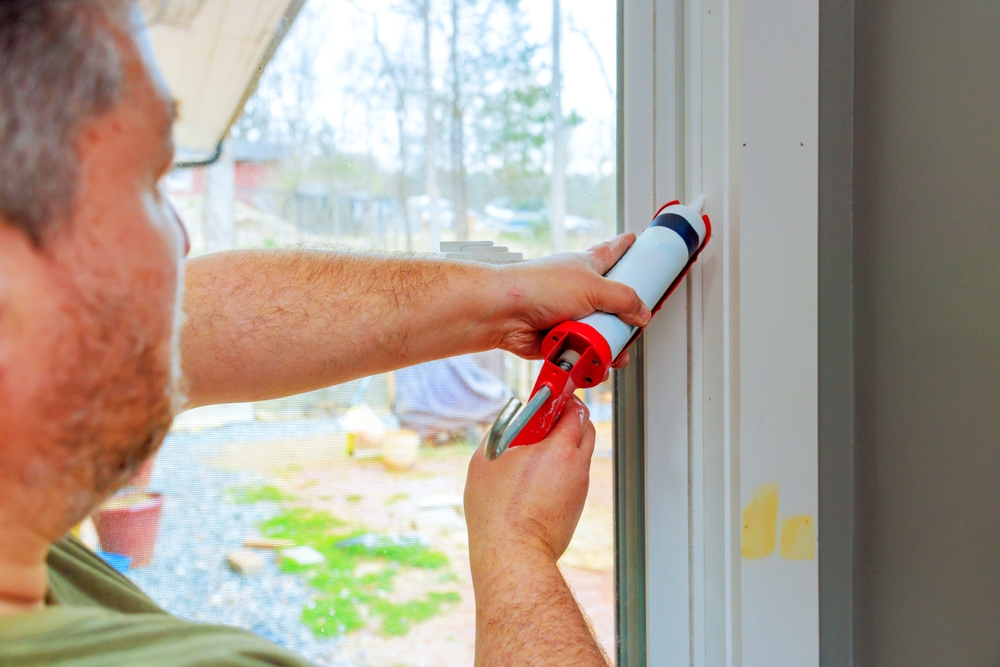
Old or cracked caulk around a window can allow wind-driven rain to enter the wall. Inspect the edges of each window from inside and outside. Look for missing caulk, gaps in the trim, loose glass, and soft wood. You may also see bubbling paint or water marks under the window. Damaged caulk should be removed before a new exterior seal is added. Putting fresh caulk over loose material may only hide the gap for a short time.
Inspect Exterior Doors and Thresholds
Water often enters beneath an exterior door or through cracks around its frame. Close each door and look for light coming through the edges. Check the weather stripping, door sweep, threshold, and lower corners of the frame. These parts wear down after years of heat, rain, and daily use. A loose door may also leave space for rain to blow inside. Replacing worn seals and repairing the frame can create a tighter barrier.
Examine Exterior Walls and Siding
Walk around the home and look closely at the siding, stucco, brick joints, and exterior trim. Small cracks, loose boards, and missing pieces can let rain move behind the wall. Check around outdoor lights, vents, cable lines, faucets, and other wall openings. Each opening should have a firm, weather-resistant seal. A handyman in New Orleans can repair damaged siding or trim and close gaps with a material made for that surface.
Look for Soft or Rotted Wood
New Orleans humidity can keep exterior wood damp for long periods. Over time, this can cause wood rot around doors, windows, porches, and roof edges. Rotted wood may feel soft, look darker than nearby areas, or have paint that flakes away. Caulk alone will not repair badly damaged wood. The weak section may need to be removed and replaced before the area can be sealed. Early wood repair can stop the damage from spreading.
Check Roof Edges and Visible Flashing
You may be able to spot loose materials, missing shingles, or damaged roof flashing from the ground. Flashing helps direct water away from roof joints, vents, and chimneys. When it becomes loose, water can enter the attic and walls. Do not climb onto the roof during wet or windy weather. Roof inspections and repairs should be handled by a trained professional with the right safety equipment.
Clear Gutters and Downspouts
Clogged gutters can cause rainwater to overflow near the roof, siding, doors, or foundation. Make sure downspouts are clear and direct water away from the home. Look for loose gutter sections, leaks at the joints, and water marks on the siding. Only clean areas that can be reached safely. If the gutters are high or hard to access, call a professional instead of using an unsafe ladder setup.
Inspect Porches, Patios, and Low Areas
Water may collect near doors when a porch, patio, or yard does not drain well. Look for low areas where puddles remain after regular rain. Check the seal where the porch or patio meets the house. Cracks in this area may allow water to reach the wall or floor. Damaged trim, loose boards, and open joints should be repaired before heavy rain arrives. Drainage problems may need help from a contractor who works with grading and water control.
Use the Right Seal for Each Opening
Not every crack should be filled with the same product. Windows, doors, siding, brick, and roof parts need different types of weatherproof sealant. The surface must also be clean and dry so the material can bond well. Large gaps, moving joints, and damaged building parts may need repairs before sealing. Using the wrong product can trap moisture or create a seal that quickly pulls away.
Stop Water Before It Damages Your Home
Small leaks can grow into drywall damage, mold, rotted wood, and damaged flooring during a hurricane. Checking windows, doors, walls, and other openings early gives you time to make lasting repairs. Do not wait until a storm is already approaching, since wet surfaces can be harder to seal.
Contact One Man & A Tool Box today for help finding and repairing water entry points around your home. Schedule service with a trusted handyman in New Orleans and prepare your property before the next storm.