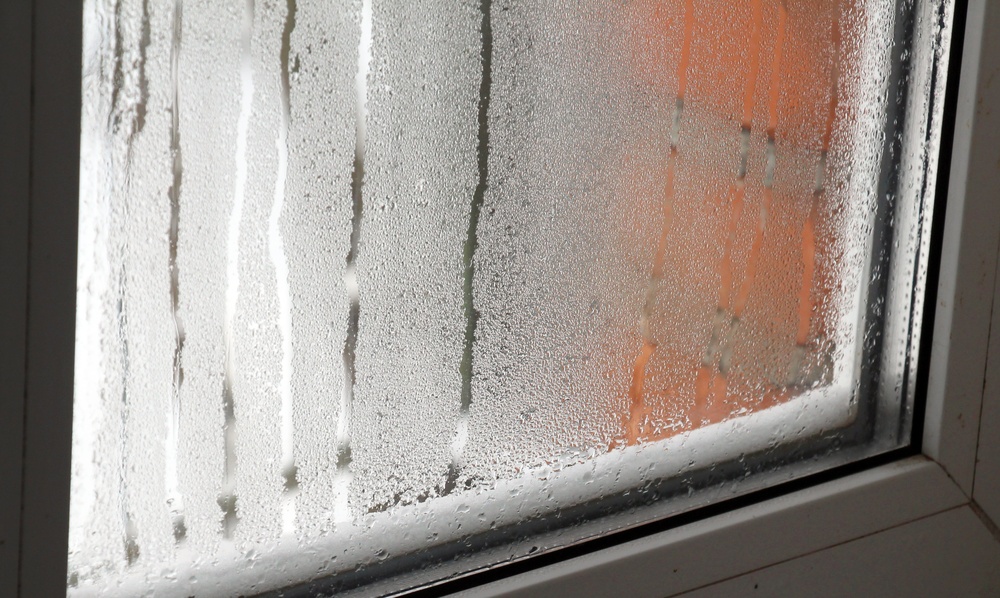
If you can wipe both sides of the glass and the fog stays put, moisture may be trapped inside the window. Fog between window panes usually means the seal around the glass has failed. Moist air gets into the space between the panes and leaves a haze or tiny drops of water. The next step is to check the glass and the parts that hold it. A handyman in New Orleans can help you find out whether you can keep the frame and replace the glass unit.
How Does Moisture Get Between the Panes?
A double-pane window has two sheets of glass with a sealed space between them. The space holds dry air or an insulating gas such as argon. That gap helps slow the movement of heat through the window. Once the seal fails, the glass unit may provide less insulation. When the edge seal fails, moist air can get in. As the glass cools, some of that moisture can turn into drops you can see. This can happen even when both panes look whole. The seal runs around the edge of the glass, so you may see the haze long before you can spot anything wrong with the window itself.
Is the Fog on the Glass or Inside the Window?
Start by wiping a small spot on the room side with a dry cloth. If it clears, the moisture is on the surface. You might see this indoor condensation on a cold pane after a shower or while you cook. If you can safely reach the outside from ground level, wipe that side too. Outdoor condensation can form on a cool pane on a damp morning, much like dew on a car. If both surfaces are dry and the haze is still there, the moisture may be between the panes. On a window you can’t safely reach from outside, check whether the haze is still there later in the day after any morning dew has dried.
Why Does the Fog Come and Go?
You might see tiny water drops in the morning and find that the window looks clearer by lunch. As the glass warms, the drops can turn back into vapor. The gap in the seal can still let moist air in, so the fog may return when the glass cools. Some windows develop a cloudy patch that stays in view even after the drops fade. If the window clears before someone can see it, take a photo of the fog the next time it shows up. Include one close-up and one of the whole window.
Can Caulk or a Dehumidifier Fix It?
A dehumidifier can help with moisture on the room side of the glass by taking some water out of the indoor air. Caulk can help close some gaps around the frame. To deal with moisture between the panes, the repair has to address the sealed glass unit itself. If you feel a draft or see water on the sill after rain, mention it when you call. Those clues give the repair team another place to check while they look at the fog.
Can You Replace the Glass and Keep the Frame?
If the frame is sound and the glass can be removed, replacing the whole sealed glass unit may clear the view while keeping the frame. Some window designs call for a new sash, the part that holds the glass. If the window sticks, the sill feels soft, or the frame sits out of line, ask what else needs repair before you order new glass. Our guide to replacing window glass without replacing the frame explains how the type and condition of the window affect your choices.
What Should You Check Before You Book a Repair?
Look for a maker’s label or a mark in the corner of the glass. If you have the receipt or know when the window went in, use that to check the window warranty. Some makers cover a failed seal, and the terms may differ for parts and labor. Check with the maker or installer before ordering a replacement part so they can tell you what information they need. Make a note of which windows fog up and whether they still open and lock smoothly. When you ask about window repair in New Orleans, share those details and say when the cloudiness tends to show up.
Get Help With a Foggy Window
If the haze keeps coming back, call One Man And A Tool Box at (504) 420-9300. We can check the glass, sash, and frame and explain which parts you may be able to keep. Request a window repair estimate and tell us what you see when the glass fogs up.