A hurricane can damage your home in ways that are easy to miss. Strong wind may loosen boards, break seals, or push rain through small gaps. Floodwater may also weaken floors, walls, and outdoor areas. Once local officials say it is safe to return, walk around your home during the day. Look closely and take your time. Finding hidden storm damage early can stop a small problem from growing. A trusted handyman in New Orleans can inspect damaged areas and help you decide which repairs should be done first.
Start by Checking for Safety Hazards
Before you inspect your home, look for dangers around the property. Stay away from fallen power lines, broken glass, sharp metal, hanging branches, and leaning trees. Never touch a wire or an object that may be touching one. Report downed lines to the power company. Do not walk through standing water near wires, outlets, or electrical equipment. If you smell gas or hear a hissing sound, leave at once. Do not switch on lights, use a phone inside, or create a spark. Keep children and pets away from damaged areas until the property has been checked and cleaned.
Look Closely at the Roof and Gutters
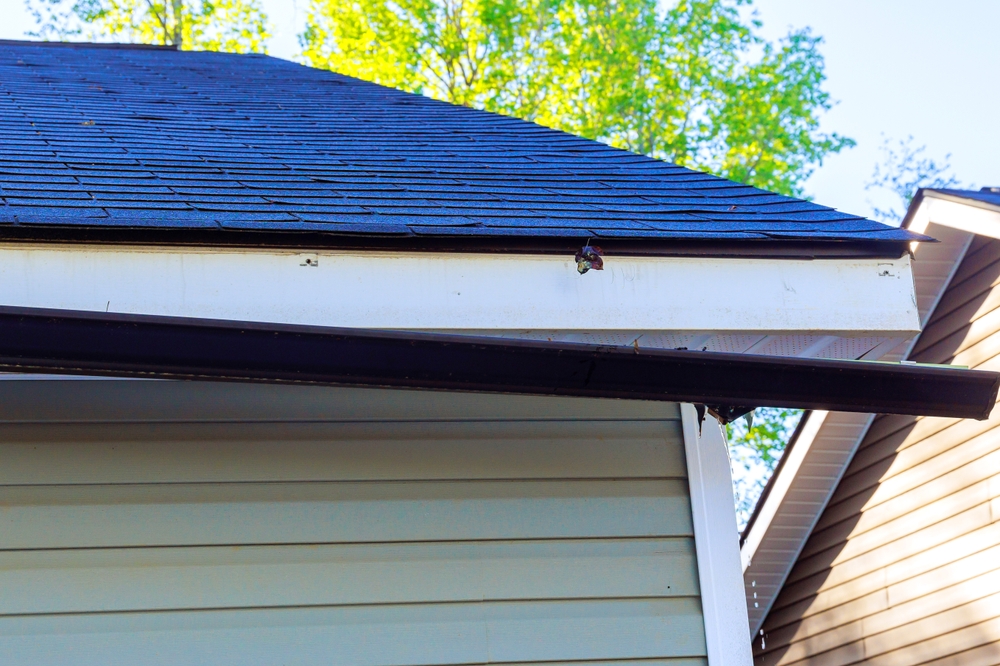
Inspect your roof from the ground because wet shingles can be very slippery. Look for missing shingles, bent metal, holes, or parts of the roof that seem to sag. Even a small area of roof damage can let rain reach the attic, ceiling, walls, and insulation. Check the edge of the roof for loose wood or pieces that may fall. You should also inspect the gutters and downspouts. They may be bent, blocked, or pulled away from the house. Water should move through the gutters and drain away from the foundation. If it collects near the home, it may enter the walls or cause the soil below the house to wash away.
Inspect the Windows, Doors, and Outside Walls
Strong hurricane winds can damage frames and seals around windows and doors. Open and close each one to see if it sticks, feels loose, or will not lock. Check for cracked glass, bent hinges, damaged screens, and gaps around the frames. Rain can pass through a very small opening and reach the wall behind it. Walk around the outside of your home and check for damaged siding, loose boards, peeling paint, dents, and cracks. Pay close attention to corners and areas near windows. If you see dark marks or soft wood, water may already be inside. Cover open areas if it is safe, then arrange a lasting repair.
Search for Water Damage Inside the Home
Check every room for signs that water entered during the storm. Look at ceilings, walls, floors, closets, cabinets, and areas around windows. New water stains may appear brown or yellow, while bubbling paint may show that moisture is trapped behind the wall. A soft ceiling or wall may fall, so do not press hard on it. Check for wet carpet, warped flooring, and a musty smell. Wet drywall can swell, crack, and grow mold if it stays damp. Take extra care near outlets and electrical devices. If floodwater entered the home, do not turn the power back on until a trained electrician says the system is safe.
Check the Deck, Porch, Patio, and Steps
Walk slowly across your deck and porch while looking for loose boards, raised nails, weak steps, and shaky railings. Wind may pull boards away from their supports, while floodwater can weaken the wood below the surface. Check posts for cracks, leaning, or movement near the ground. Do not place heavy items on a section that feels soft or unstable. On the patio and walkways, look for broken pavers, sunken areas, new gaps, and pieces of concrete that have moved. These spots can cause falls and may let water collect near the house. Check outdoor lights, fans, and outlets for water damage before using them.
Walk Around the Yard and Foundation
Storm damage may also appear in the yard. Look for fallen branches, broken fencing, loose gates, damaged sheds, and outdoor items that moved during the hurricane. Check the base of your home for foundation cracks, washed-away soil, or spaces where water has collected. A new crack or gap may show that the ground shifted during heavy rain or flooding. Clear small debris while wearing gloves and strong shoes, but do not try to move large trees or heavy materials alone. Check your yard drainage after the rain stops. Water should flow away from the house instead of sitting near the walls, porch, or crawl space.
Record Damage Before Starting Repairs
Take clear photos and videos of every damaged area before cleaning or moving anything. Capture wide views of each room or outdoor space, then take close photos of cracks, stains, broken boards, and damaged items. Write down when you found each problem and whether it changed after the storm. These records may help when you contact your insurance company. Make a home repair list and place safety problems at the top. Gas leaks, electrical dangers, open roof areas, broken windows, and weak steps need fast attention. Other jobs, such as paint repair or replacing trim, can often wait until the home is dry and safe.
Get Help Repairing Your Home After the Hurricane
Some hurricane damage may be hard to see without the right tools and experience. One Man and a Tool Box can help with doors, windows, carpentry, flooring, painting, drywall, and general home repairs. If you find damaged wood, loose fixtures, broken steps, wall stains, or other problems, contact a handyman in New Orleans before the damage spreads. Call One Man and a Tool Box today to request an estimate and start restoring your home after the storm.